Table Of Content
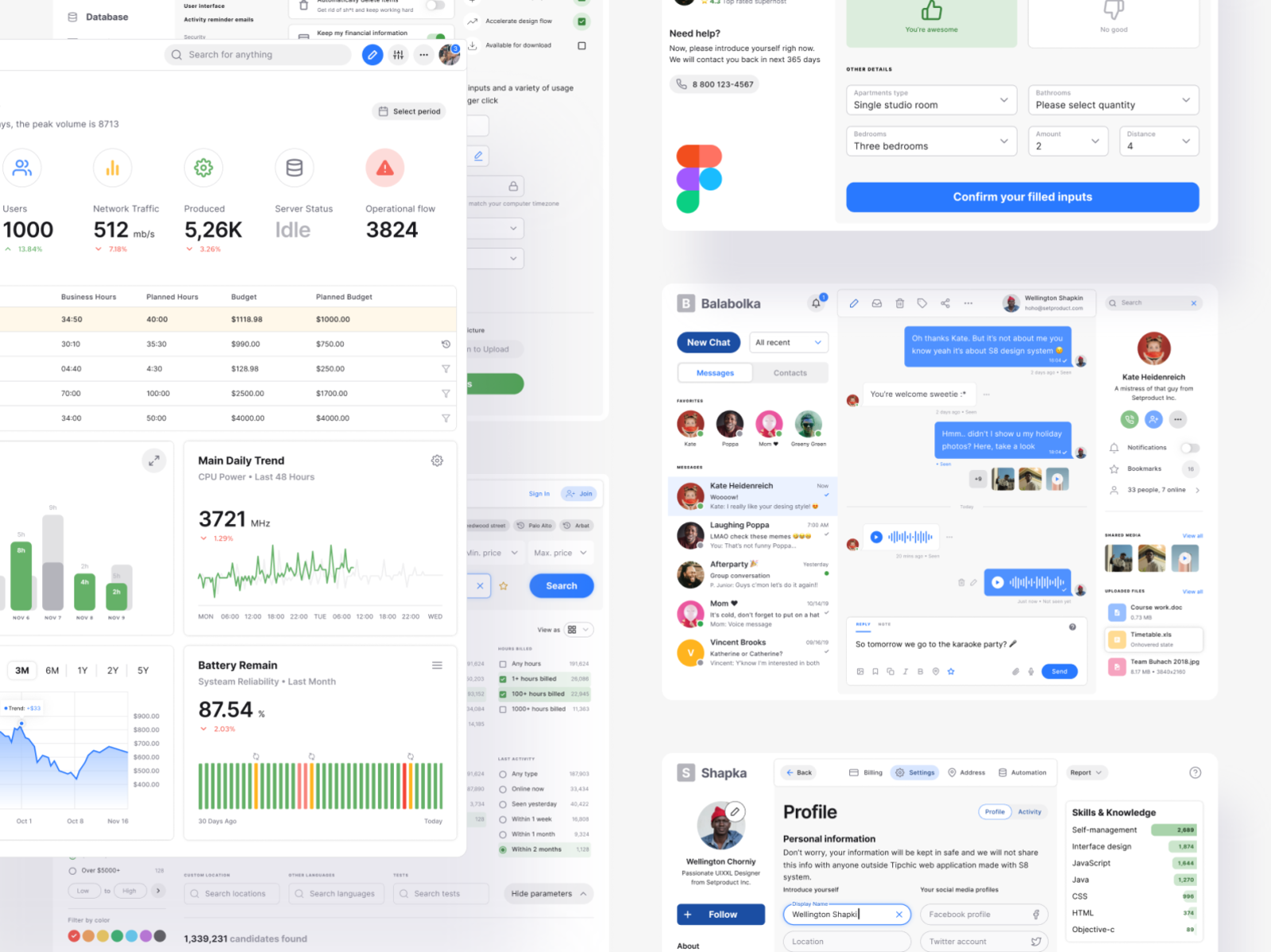
Make sure your icons are clear, consistent, and maintain their meaning even when styled differently. Use an icon grid to ensure consistent sizing and alignment, and provide descriptive names and search terms to make them easy to find and use. Mailchimp’s content style guide is an excellent example, detailing the tone of voice and branding through content.
Untitled UI
Streamline the product development process with a design system that’s aligned across design and code. Figma enables design system adoption for more consistency and efficiency. Icons act as a mode of communication in design so they must be clear, universal, and consistent. Color acts as a basic element to lay out the foundations as it defines brand identity, sets the tone of the product, and most importantly affects user interactions. I also adjusted text variables based on the menstrual cycle phases. After the variable collection is set up, now it’s time to create a new collection called ‘Tokens’.
Map components in Figma to code
These set the visual language, including the appearance of elements and the overall voice and tone of the product, such as color and typography. They also commonly include icons, logos, illustrations, and your accessibility and brand guidelines. Leverage the wealth of knowledge within your organization as the foundation for your design principles.
Design systems that scale
With over 100 components, including buttons, images, tabs, and text fields, this free library is updated frequently to ensure it runs smoothly. The kit also includes 200+ icons from Feather Icons suitable for commercial use. They’re both two of the most popular design systems that you can buy, with a huge offering of design elements. Ant Design’s pricing is a bit more complex though, starting at $199 + taxes for a year’s worth of updates (whereas Untitled UI is for life). The main benefit of these design systems is that they’re created to solve real problems. The main downside, though, is that they aren’t as versatile as they could be, since they’re only designed to solve the problems of that brand’s products.
Merkle selected as Figma Signature Service Partner - Martechcube
Merkle selected as Figma Signature Service Partner.
Posted: Wed, 07 Feb 2024 08:00:00 GMT [source]

A Figma-native product, the UI Prep design system automatically updates along with Figma (no more messy patches) and has a great Playground and Tips section for you to hone your Figma skills. Design systems evolve over time and so do the platforms they are built on. Figma has only a basic versioning, so we need to be careful with changes. But there are some techniques to make sure we don’t release updates that break consumers Figma projects. Just make sure to build an accessible design system and keep your design system under control.
The future of design systems is marketing
A design system maintains design consistency and should be useful to everyone involved in creating a product. It’s a toolkit that helps designers create new screens, flows, and prototypes faster. A good design system helps developers understand the logic behind design decisions, and helps to create a more cohesive product. It speeds up the design process and allows designers more time for experimentation. With the digital revolution, the principles of these systems were translated from paper to pixels, growing in complexity to match the sprawling web and burgeoning app market. Giants like Apple in 1987, followed by Google, IBM, and Microsoft, pioneered comprehensive design languages that would dictate the look and feel of countless user interfaces.
AI is changing the design world at Figma, but good design won't happen without human intervention - diginomica
AI is changing the design world at Figma, but good design won't happen without human intervention.
Posted: Tue, 09 Jan 2024 08:00:00 GMT [source]
The iOS 15 UI Kit for Figma is a brilliant resource that creator Joey Banks has shared with the community. A must-have for anyone working on, building, or looking for an iOS kit, this kit was designed to be an all-in-one. Cabana is a Figma UI kit bursting with a wide selection of Figma templates, essential UI components, and handy design blocks that can help you create complex layouts with ease.
His leadership at the agency contributed to the strategy and design for over 50 high-growth startups, aiding them in raising a combined total of over $400M+ in venture capital. Airtable has a pretty extensive marketplace of apps to choose from. Their landing page is bursting with emojis and cute images, but don’t be fooled—this fully responsive design system is incredibly powerful. This basic kit operates as a kind of online learning tool, where you can pick up the basics of UI and design as you go. Layers biggest selling point is their All-Access Pass—an annual subscription that gives you access to all of their other products.
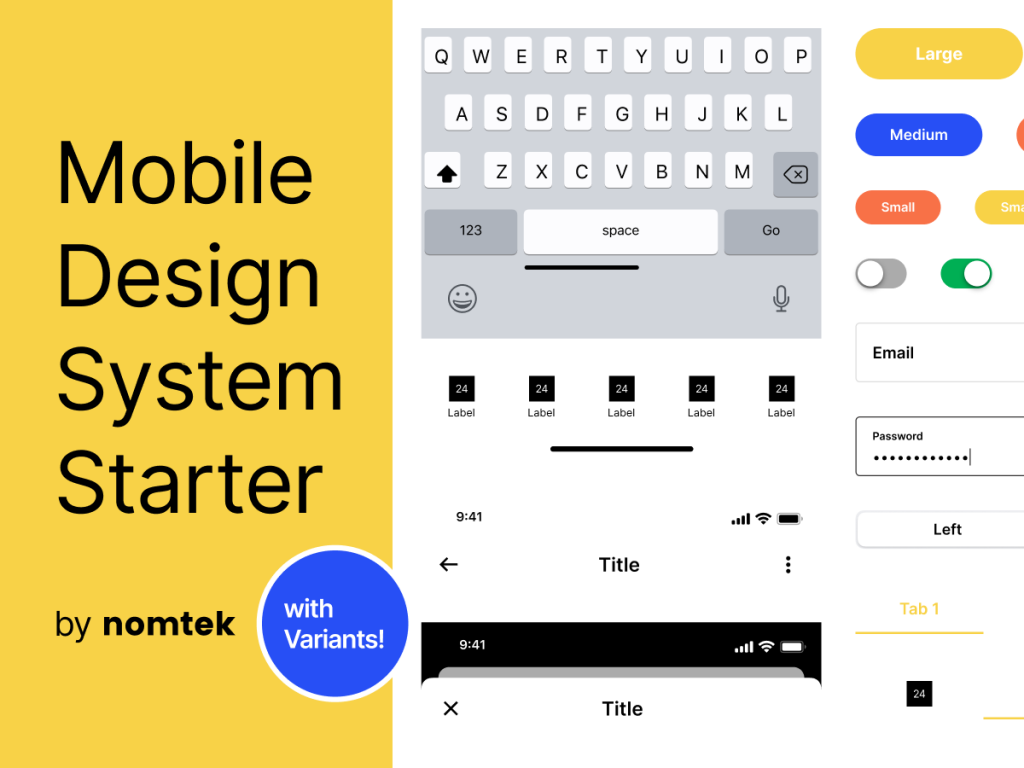
After all, who wouldn’t want to work in a field with so many great career opportunities and a competitive salary? Best of all, with UX/UI design, you can work remotely, work abroad, and for yourself or a company. If you’re just looking for more awesome things for Figma, check our roundup of the best Figma widgets and best Figma templates. This means that you’ll need to use the operating system’s design system in some way or another. Academia hasn’t kept up with the head-spinning rise of digital design. Create realistic prototypes that allow for quick iteration on flows and states.
The system is still relatively new, less than a year old, but having a powerhouse company like Uber behind it will no doubt help to smooth out any kinks in the system. Touted as being the world’s largest Figma design system, The Design Encyclopedia allows you to browse the kit before you buy. This gigantic Figma library was created by Product Designer Jon Moore who runs a small YouTube design channel.
The kit does come with all the expected (and valuable) components and layers, styles, and typography. The vision behind this kit was to offer a more minimalistic, streamlined approach to kits. This adaptable Figma design system offers a pre-built design system, a small collection of typography and color styles, and many components to customize. Their free kit includes over 130 Material UI Elements, a sample app prototype, sleek auto-layout and variants, and a team library ready to go. If you do want more bang for your buck, their Pro version includes 350 advanced components and a lifetime of free updates (not bad!).
The Pegasus team have also launched an Adobe XD version for those who haven’t yet made the switch to Figma. With Auto-layout 3 and their commitment to avoiding bloatware, Cabana is great for those who struggle with app crashes or lag. Stop wasting time and get right into the bones of what you want to create with Shipfaster UI. Shipfaster UI 2.0 is here to make your life even better as a UX/UI designer.
By establishing a set of predefined elements such as buttons, typography, colors, and icons, designers can ensure that their designs are cohesive, scalable, and easy to maintain. At its core, a design system is a set of building blocks and standards that help keep the look and feel of products and experiences consistent. Think of it as a blueprint, offering a unified language and structured framework that guides teams through the complex process of creating digital products. A design system can assist in reducing the amount of time spent recreating elements and patterns while designing and building products and interfaces at scale. By providing pre-built layout components and templates, your design system can help teams create responsive and adaptive designs more efficiently. These components are built with a set of predefined breakpoints that determine how the layout changes at different screen sizes.
Don’t limit yourself to just the design team—reach out to developers, product managers, customer support, and people working in other areas of the business. Getting diverse perspectives will help ensure your design system meets the needs of your entire product and organization, not just one specific group. And remember, many successful design systems start with a team of one! But to truly harness the power of a design system, you need to know how to effectively build and implement one. In this guide, we'll break down the process of building a design system into clear, actionable steps. In Figma, a library file that will more or less serve as the inception of a design system can be created.
GitHub’s design system Primer is everything you need for designing GitHub interfaces. Their Plus ($10/month) and Pro ($20/month) allow for three and ten apps per base, respectively. There are no free demos for this one, but you can preview the UI kit for free. Again, if you’re a student or teacher, you can enjoy 50% off by contacting them via email. Best used when working with Tailwind, Flowbite is still a pretty powerful addition to any design workflow. This is due to its 28 responsive page examples and a very active support team waiting to answer any questions.




No comments:
Post a Comment